Friday, March 13, 2026
Good morning, and welcome back. How did you enjoy the week off of Wolmania? I have to say, it flew by for me. I'll do my best to stop and smell the roses during the next interregnum. But enough of this indulgent meta jabbering; here's today's newsletter.
Item 1: a link
Colin Gorrie:
A man takes a train from London to the coast. He’s visiting a town called Wulfleet. It’s small and old, the kind of place with a pub that’s been pouring pints since the Battle of Bosworth Field. He’s going to write about it for his blog. He’s excited.
He arrives, he checks in. He walks to the cute B&B he’d picked out online. And he writes it all up like any good travel blogger would: in that breezy LiveJournal style from 25 years ago, perhaps, in his case, trying a little too hard.
But as his post goes on, his language gets older. A hundred years older with each jump. The spelling changes. The grammar changes. Words you know are replaced by unfamiliar words, and his attitude gets older too, as the blogger’s voice is replaced by that of a Georgian diarist, an Elizabethan pamphleteer, a medieval chronicler....
It’s a thousand years of the English language, compressed into a single blog post.
Give it a read and see how you do. It's a fun exercise, right up until it's miserable (for me, 1300). Thankfully, it's followed by an interesting description of how (and why) English developed over the centuries. Some highlights include thouing, thorns, and eths.
Item 2: a list
Soft Pretzels, Ranked:
- Unsalted
- Salted
Item 3: a media recommendation
Phil Collins - Don’t Lose My Number
Item 4: word of the week
Lacustrine
Theirs was a traditional lacustrine society; in other words they did a lot of waterskiing.
Item 5: an image
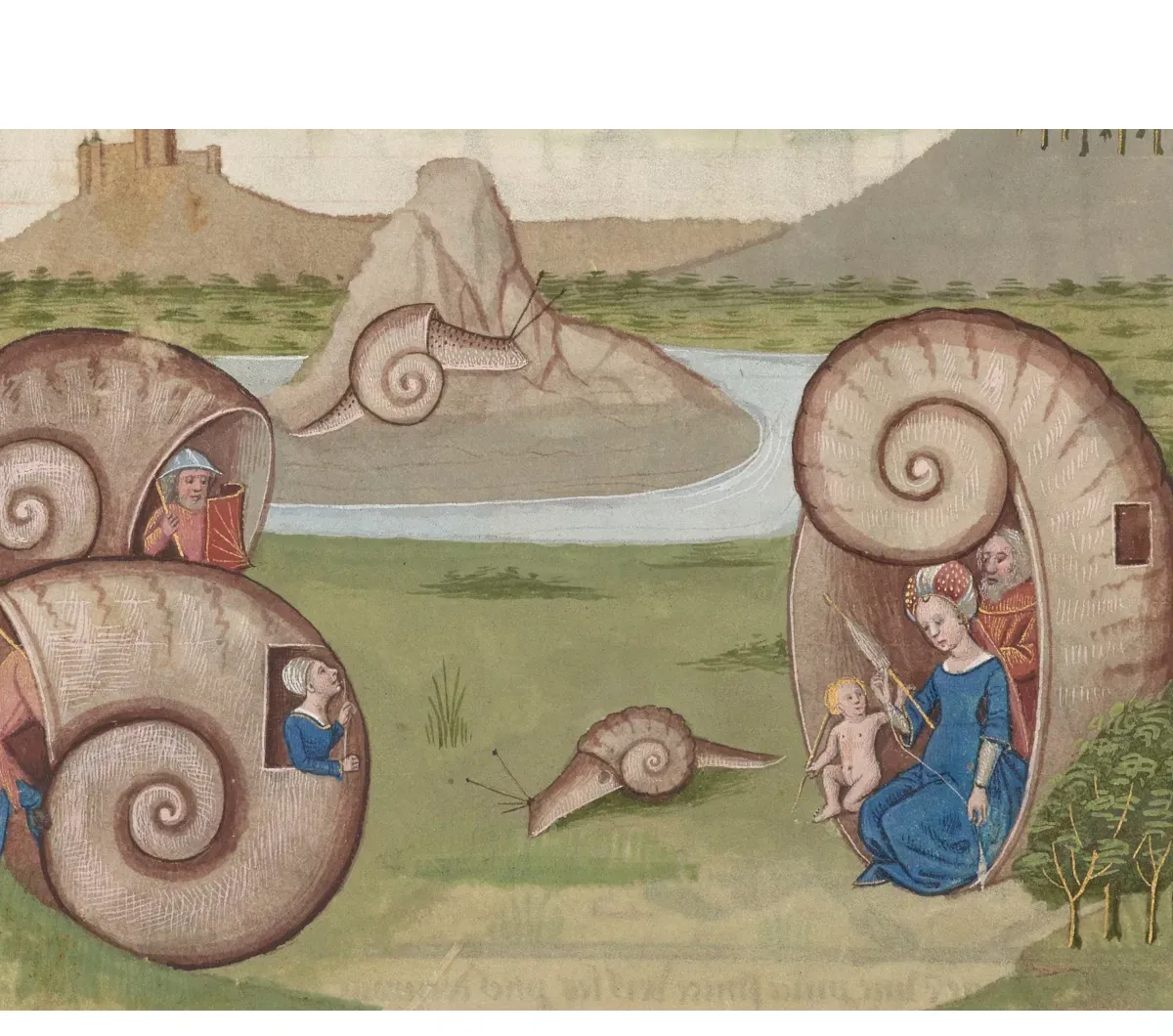
See ya!
Thanks for reading. Let's reconvene in a fortnight.
Member discussion